
Fiction

Fiction

Don’t Open It

Dr. Leonard Park adjusted his tie as he stepped out of the research facility, exhaling into the crisp night air. The world beyond the high-security fence was quiet—except for the erratic pacing of a man just outside the perimeter. His gait was uneven, his movements restless. Leonard nearly dismissed him as a vagrant, but something about the figure tugged at his memory. It wasn’t until the man turned and locked eyes with him that the realization struck. “Dr. Alistair Finch?” Leonard’s voice wavered in disbelief. The man froze. His beard was wild, streaked with gray. His clothes hung from his frame like remnants of a forgotten life. But it was his eyes—hollow yet alert—that confirmed his identity. “Well, well,” Finch murmured. “A man of science who remembers me.” His chuckle was dry, humorless. “You vanished ten years ago,” Leonard said, stepping closer. “Your work on multidimensional theories was—” “Monumental?” Finch interjected. “Yes, I suppose it was.” His lips curled in something between a smirk and a grimace. “And yet, here I am. A relic. A cautionary tale.” Leonard studied him. Finch didn’t just look exhausted—he looked haunted. His posture was rigid, as if bracing for an unseen blow. “What happened to you?” Finch inhaled sharply, his gaze flicking toward the stars. “I need a man of science to witness something before I die.” Leonard frowned. “You don’t look like you’re dying.” Finch huffed a breathy laugh. “That’s the thing about certain kinds of death. They don’t announce themselves. They creep.” He reached into his tattered satchel and withdrew a small wooden box. It was unmarked, smooth—almost pristine against his grime-covered fingers. “I want to give you this,” he said, extending it. “But I must ask you—beg you—not to open it.” Leonard hesitated. “What’s inside?” Finch’s grip tightened around the box. “Not an object. An idea.” Leonard raised an eyebrow. “You sound like you’ve been reading too much Lovecraft.” Finch’s face darkened. “The difference between fiction and reality is that reality doesn’t care whether you believe in it.” Despite himself, Leonard reached out. The moment his fingers brushed the wood, a strange sensation coiled through his arm—wrong, like a cold whisper creeping beneath his skin. “Open it if you must,” Finch murmured. “But once the idea takes root, you’ll never see the world the same way again.” Leonard forced a smirk. “You’re being cryptic.” Finch’s gaze bore into him, unblinking, intense. The weight of his stare felt like a physical force, pressing against Leonard’s chest. His fingers twitched slightly, as if resisting the urge to grab the box back. “Have you ever wondered about the people who disappear without a trace? The ones we never find?” His voice was low, almost reverent, carrying the weight of something he had witnessed firsthand. Leonard sighed. “Crime, trafficking, accidents. There are logical explanations.” Finch shook his head. “Not all of them. Some of them slip.” Leonard’s fingers tightened around the box. “Slip?” “Through the cracks.” Finch’s voice lowered. “We hear about the lucky ones—the ones who step into a parallel world for a moment and return. They walk down a familiar street, find things slightly… off. But what about those who don’t come back?” Leonard’s throat tightened. “Dimensional fractures,” Finch said. “I opened the box, Leonard. I accepted the idea. And ever since then, I’ve been slipping.” A gust of wind rattled the fence, sending a chill down Leonard’s spine. Finch wrapped his arms around himself as if warding off an unseen force, his breath hitching. “One moment, I was in my apartment,” he continued, his voice unsteady, his fingers digging into the fabric of his worn-out coat. “The next, I was somewhere hot.” He swallowed hard, his gaze unfocused, lost in the memory. “I smelled blood before I even opened my eyes.” He shuddered. “And when I did—I was kneeling on dry, cracked earth.” His hands flexed involuntarily, as though feeling the rough, lifeless ground beneath them. He trembled. “And they were right there.” Leonard felt his pulse quicken. “There were five of them—lions, their golden eyes glowing in the dim light. One of them lifted its head, nostrils flaring. I didn’t move. I didn’t breathe.” Finch’s fingers twitched. “They smelled me first. The biggest male—a scarred beast with black streaks in his mane—took a step forward. He knew I wasn’t supposed to be there.” “I flinched. And the moment I did, his lips curled back and a growl rumbled through his throat.” Finch’s eyes got bigger. “The last thing I saw was his muscles tensing before I snapped back—before I found myself gasping on my apartment floor, the scent of lion still clinging to my skin.” “The plane was worse,” Finch muttered, bracing himself. His fingers twitched, clenching as if trying to grip onto something invisible, breaths coming in faster, more shallow. His pulse hammered against his ribs. “I was flying to Geneva. Middle seat. Half-asleep. Then—boom—I was outside.” Leonard’s stomach turned. Finch’s hands twitched as he gestured, as if still feeling the icy air slicing against his skin. “The wind was insane. A deafening roar, drowning out every thought in my head. It tore at my clothes, at my body—like it wanted to rip me apart. I was spinning. Tumbling through blackness. And then—instinct. Survival. I reached for something that was metal, freezing. Turned out I’d been clanging onto the landing gear.” He exhaled sharply, his knuckles going white as if he were gripping it now. “I was thousands of feet in the air.” Leonard shuddered and looked away as the story turned darker. “The pressure—it felt like my skull was caving in. My ears exploded. My lungs seized up, burning, screaming for air. I tried to cry out, but the wind devoured my voice. My fingers—” He glanced down at his hands as if seeing them fail him all over again. “Frozen. Stiff. Slipping.” His breath hitched. “I knew I was about to die.” A silence stretched between them, heavy and raw. “And then—I let go.” Finch’s voice cracked.

Fiction

The Book of Clubs: I Hear Whispers Inside The Mountains 

The afternoon sun was hidden behind a thick veil of clouds, casting a dull light over the quiet neighborhood. Sarah Monroe pulled her old Honda Civic into the cracked driveway of a modest, abandoned house she was set to sell. The tires crunched over the loose gravel as she put the car in park and sighed, drumming her fingers on the steering wheel. It wasn’t an ideal property—peeling paint, an overgrown lawn, and an eerie silence that seemed to seep from the foundation itself. But in this game, she took what she could get. Real estate was a brutal field, and as a young agent trying to make a name for herself, she couldn’t afford to be picky. She adjusted her blazer, swept her dark hair off her face, then brushed over a small tear near the sleeve. Another reminder of how hard she was grinding—long days, countless showings, and deals that often fell through at the last minute. She stepped out of the car, her worn-out heels clicking against the uneven pavement. A gust of wind carried the scent of damp earth and pine, whispering through the trees that loomed over the street. The house stood silent, waiting. She checked her phone—no messages from the seller yet. Then, from the corner of her eye, she noticed movement. A sleek black sedan rolled smoothly into the driveway of the grand, alpine bricked mansion next door. The car was pristine, the kind that whispered money without screaming it. The driver’s door opened, and a man with long tangled hair stepped out. Mid-to-late thirties, fit but not overly muscular, dressed in a compression shirt and running shorts. He had a casual confidence about him, the kind of presence that suggested he was used to being in control. He caught her looking and waved. Sarah hesitated before offering a polite nod in return. The man strolled toward the mansion’s entrance, moving with an ease that didn’t quite match the neighborhood’s usual stiff professionalism. Was he the owner? Someone wealthy enough to afford such a house but unbothered by the usual status symbols? She didn’t have time to dwell on it. Her phone buzzed in her hand. A message flashed on the screen. CLIENT: Reschedule. Something came up. Sarah exhaled sharply, annoyance curling in her chest. Another wasted afternoon. She typed out a quick response, forcing herself to stay professional, though a string of unprofessional thoughts ran through her mind. “Bad news?” She looked up. The man was still outside, this time holding a leash. A large, sleek Doberman sat patiently by his feet, its ears perked as if listening to their conversation. “My client just bailed on me,” she admitted, unable to hide her frustration. “Sorry to hear that.” He glanced at her blazer, eyes narrowing slightly before flicking down to her shoes. “Looks like you’ve been putting in the work.” Sarah followed his gaze, suddenly self-conscious of the scuff marks on her heels. “Yeah, well, I’m new to the game,” she said, shrugging. He nodded thoughtfully. “And single? If you don’t mind me asking.” She blinked at the sudden shift in the conversation. “I have a partner,” she replied, her voice carrying a note of exasperation. “He’s trying to break into the business as a broker. First big break hasn’t come yet, though.” The man smirked as if he had expected that answer. The dog pulled slightly at the leash, but he kept a firm grip, barely glancing down. “Well,” he said, tilting his head, “maybe I have something that could help with that.” Sarah raised an eyebrow. “Help with what?” “Your partner’s big break.” He gestured toward the sidewalk. “Walk with me. I’ll tell you a little secret.” A flicker of caution sparked in Sarah’s mind, but curiosity outweighed it. There was something about the way he spoke—calm, measured, yet carrying an undertone of significance. She glanced at the mansion behind him, then at the house she was supposed to sell, now irrelevant for the day. Screw it. She nodded. “Alright. Let’s walk.” As they started down the quiet street, she glanced at him again. “So, what do you do? Besides, you know… walking dogs?” His lips curved into a smirk, as if he had been waiting for the question. “I’ve been walking the Governor’s dogs since I was sixteen,” he said. “Only got a three-dollar raise since.” Sarah let out a soft chuckle. “Sounds like a terrible career move.” He tilted his head. “Or the best one I ever made.” She frowned slightly. Something about the way he said it—casual, yet firm—made her uneasy. “How so?” The man stopped walking for a moment, looking up at the sky as if considering his answer. Then, he turned to her. “I’m retired,” he said simply. Sarah’s footsteps faltered. “Retired? You can’t be older than thirty-five.” “Thirty-seven,” he corrected. “And yes. Retired.” She stared at him, trying to gauge if he was joking. He didn’t look like a man who had hit the lottery. He had no flashy jewelry, no expensive watch, no air of inherited wealth. And yet, something about him was different. Settled. As if he had unlocked a piece of life the rest of the world was still struggling to find. “And yet,” he continued, starting to walk again, “I still work.” Sarah caught up, feeling her pulse quicken. “Why?” He looked at her, his eyes sharp yet unreadable. “Because I want to.” Something about the way he said it sent a shiver down her spine. She let the silence stretch between them, her mind racing. He was an enigma, and she hated not having him figured out. Finally, she asked, “How did you do it? Retire so young?” His smirk widened. “I didn’t do anything. They did it for me.” Sarah’s stomach tightened. “Who’s ‘they’?” Before he answered, the Doberman suddenly snapped forward, tugging at the leash. The man pulled back effortlessly, keeping the dog in check. But in that brief moment, she swore she saw something in

Fiction

The Choice

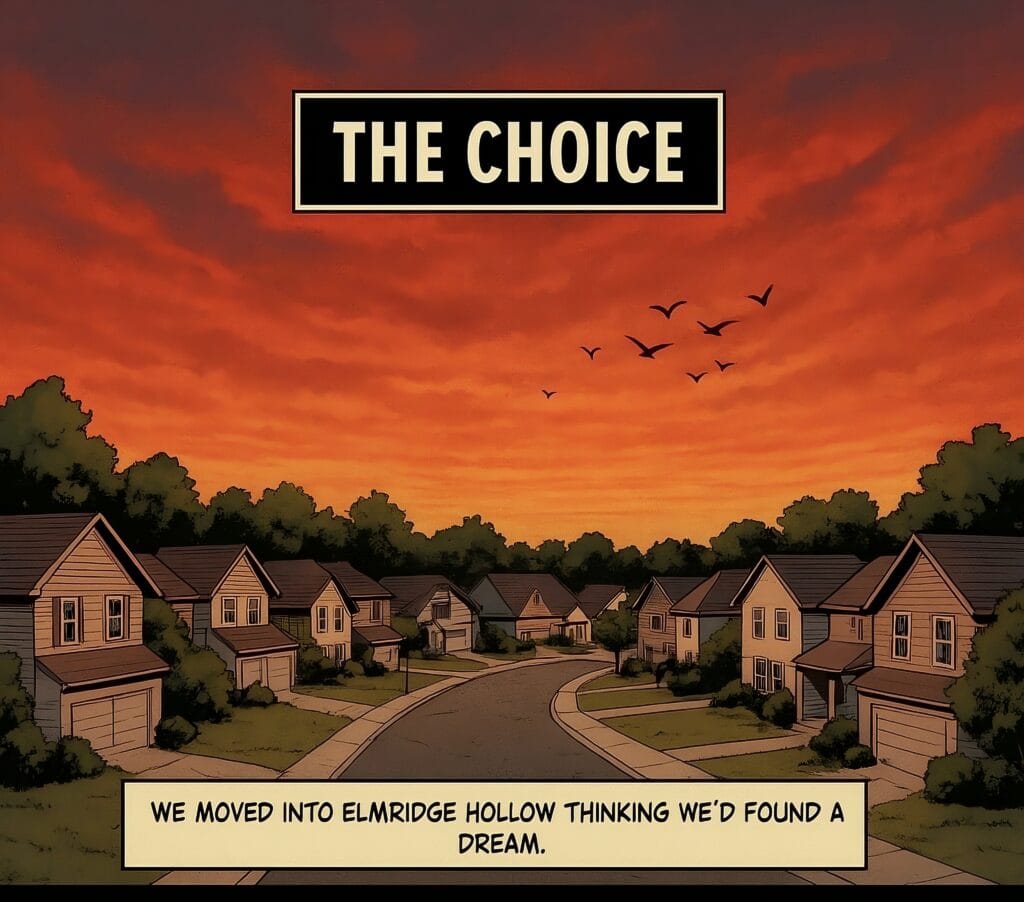
The bright summer day had faded into an unsettling twilight. A crimson sky stretched ominously above the sprawling suburban neighborhood of Elmridge Hollow. It looked like the American dream—a winding maze of identical homes, manicured lawns, and white picket fences—but something about it never sat quite right with Jamal Lewis. A tall man in his late 30s with a calm but commanding presence, Jamal carried himself with quiet strength. His short fade was neat, his jaw sharp, but his eyes—deep brown and expressive—always softened his features. He was a man of conviction and compassion, with a sense of loyalty that ran deeper than blood. He and his wife, Lisa, had moved into the cul-de-sac just three months ago—right in time for their son Jaden’s fifth birthday. Balloons from that day still floated gently in the corners of the living room, their once-bright colors now faded, swaying like silent ghosts. There had been laughter, gifts, neighbors bringing over pies and firm handshakes. But behind every smile was something hidden. Whispers. Jamal had first heard them at the local coffee shop. Lisa had caught them too—rumors from the hairstylist down the street. Everyone in Elmridge Hollow knew the legend: a being named Aether, said to dwell just beyond reality’s veil. An ancient, cruel demigod who pulled families into a shadow realm—a place not bound by time or reason. There, it posed impossible choices. And once summoned, Aether never left empty-handed. Urban legend, they thought. Stories meant to keep kids indoors after dark. Still, on windless nights, Jamal sometimes heard a low, strange hum behind the walls—like something watching. Waiting. Then came the night that changed everything. They had just finished dinner.  *** Jamal stood at the sink, rinsing dishes. He watched Jaden dart through the dining room, giggling in a paper crown from his birthday party. The boy was a bundle of joy and motion—short, slender, with big brown eyes full of wonder and curly hair that defied combs and gravity alike. He had Lisa’s expressive face and Jamal’s dimpled smile, and his laughter filled the room like sunlight. Lisa leaned against the doorway, wine glass in hand, her petite frame glowing in the kitchen light. Her long box braids were pulled back loosely, and her eyes—hazel and perceptive— watched Jaden with pride. A former trauma nurse turned doula, Lisa had always been a steady soul. She radiated the calm of someone who had seen death and chosen life every time. For a moment, Jamal felt the weight of gratitude. His family was whole. His life was simple. It was perfect. The lights flickered. “Did you pay the bill?” Lisa teased with a raised brow. Jamal chuckled. “Of course. I even set it to autopay.” The bulbs flickered again—then went out. Darkness fell like a curtain. “Okay, not funny anymore,” Lisa murmured, her voice low, unsure. Jamal turned from the sink. “Stay with Jaden. I’ll check the breaker.” Then came the hum. Low. Primal. Not from the walls—but inside them. The air grew heavy and thick, like trying to breathe through honey. Lisa’s wine glass slipped from her hand and shattered on the floor. Jaden froze mid-run, his crown toppling off his head. “Daddy…” he whispered. “There’s someone in the walls.” Jamal blinked—and the world shattered. He stood on cracked stone at the edge of a towering cliff. Beneath his feet, the earth was scorched and lifeless. A crimson sky churned above, thick with swirling clouds and an unnatural light that burned the eyes. There was no wind. No birds. No sound—except a distant whisper. And a scream.“Jamal!” Lisa’s voice tore across the abyss. He turned and saw her—clinging to the edge of the cliff. Her fingernails dug into the dirt as her legs kicked above nothingness. Wind whipped her braids around her face. Her eyes—wide with terror—locked on his. “Help me!” she sobbed. “Jamal, please!” Then— “Daddy!” Jamal spun. On the opposite side of the cliff, Jaden clung to a crumbling ledge. His small hands were bloodied, his face streaked with tears. “Daddy, I’m slipping!” Jamal’s heart stopped. He stood frozen between them—Lisa on one side, Jaden on the other. Both slipping. Both begging. Then came the voice. Not human. Not even alive. It rumbled from deep within the stone, vibrating in his bones. “Choose. Only one returns with you.” Jamal dropped to his knees. “No,” he whispered. “No, please—please don’t do this.” Lisa’s voice broke with desperation. “Jamal! Grab me! We can have another baby—we can try again! Don’t let me die!” His eyes flooded with tears. They had spent seven painful years trying to conceive. Endless fertility treatments. Miscarriages. Grief. Lisa had always kept faith—they both had—until, finally, Jaden was born. Their miracle. But Lisa had been there from the start. She was his partner, his anchor, the woman God had given him to walk through life with. Her belief had kept him grounded. Could he really let her fall?Then he looked to Jaden—his son, his legacy. The boy who called him “superdad.” Who danced in paper crowns and believed his father could fix anything. “God,” Jamal whispered, sobbing. “Help me. Help me see.” The voice rumbled again. “Only one.” “Choose now—or lose both.” Lisa’s eyes were wild. “Jamal! You promised me forever. You can’t let me die here.” Jaden’s voice cracked through the air. “I don’t wanna go, Daddy. I don’t wanna fall!” Jamal’s body trembled. His lungs burned. His soul screamed. “Take me instead,” he pleaded to the sky. “Please. Take me.” Silence. That wasn’t an option. He looked at Lisa, then Jaden. “You’re my wife,” Jamal said softly, stepping toward her. “God gave me you.” “But he’s our son!” she cried. “We can have another—” “Not him,” Jamal snapped. “There will never be another him.” Lisa’s eyes widened. Her grip slipped. “JAMAL!” Then Jaden’s scream tore through him. “Daddy—I’m slipping!” Jamal turned. Blood ran down Jaden’s arms. One hand lost its grip. “No!” he screamed, running toward him. He dove to the cliff’s edge, his

Fiction

The Misconception

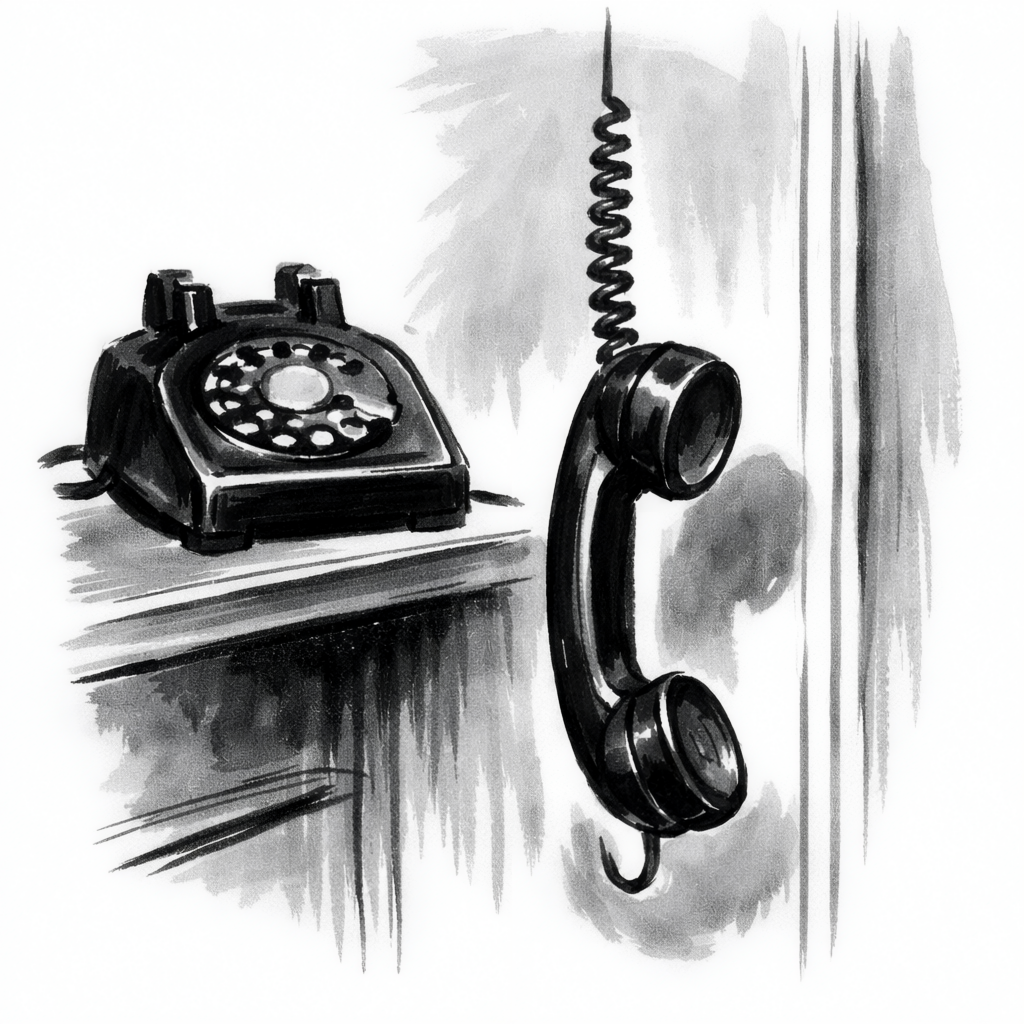
The mirror reflects the damage. My copper hair frames a swollen, purple eye as I dab foundation over the bruise. Hot water streams from the faucet, filling the bathroom with steam, but nothing can mask the tremble in my hands. Kel, I know you love me. I love you too. But why does love have to hurt like this? Why do you blame me for everything, lose control, and lash out? My thoughts churn. Am I not enough? Is it my pale skin? My body? Am I too much, or too little? A tear splashes onto the sink. No, stop. What am I thinking? I shouldn’t doubt Kel. This is my fault. I deserve this. I’m thirty years old, and my body bears the scars of a lifetime of battles. Not the kind waged in war, but the ones fought behind closed doors. My ribs ache from the last encounter, a dull reminder of my place. I need clarity. I need Sondra. Still, I lurk in the bathroom where I reach into my silk pajama pocket for my cellphone. Nothing. My gaze darts toward the floor, the dim light catching empty tiles. I groan. “Shit! It’s in the den. Right next to Kel.” A shudder ripples through my bones. If Kel hears me… I press an ear against the door, my breath shallow. The house is silent, but silence can be deceptive. Steeling myself, I exhale, twist the knob, and creep into the hallway. Our wedding portraits loom on the wall, reminders of promises long since shattered. Kel’s face in those photos was different—softer, loving. Now, the weight of those memories feels like chains. Beyond the den, the microwave hums. My phone blinks from the centerpiece table—blue light flashing like a beacon. My teeth clench. The phone’s volume has been muted. I hadn’t done that. I tiptoe, fingers brushing the cold glass surface as I snatch the phone. My pulse pounds. Just as I turn— “Come here!” I bolt, slamming the bathroom door behind me. Boom! Kel’s fist strikes the wood, the doorframe rattling under the assault. My hands shake as I lock it. Then—silence. A deadly, temporary peace. Scrolling through my contacts, I press Sondra’s name. The phone rings. “Hello?” “Sondra,” I whisper, my voice trembling. A pause. Then, “DD? Oh my God, it’s been forever!”  Tears spill over “Yeah… I—I needed to talk.” Sondra’s warmth wraps around me through the phone. I tell her everything—the bruises, the fear, the makeup covering my truth. The dodging, the lying, the threats. Kel had warned me: If I ever told anyone, there would be consequences. “For starters, you need to leave,” Sondra says, her voice firm. “This is out of control.” I swallow, stunned. Leave? How could she suggest that? A Christian woman, telling me to abandon my vows? “Sondra… divorce? You mean spiritually, right? Like, seek God’s guidance to fix this?” “No,” she says bluntly. “You know what I mean.” I stare at the blue shower curtain. “I can’t.” Kel had been my salvation once. At Club Mesmerize, eleven years ago, I had been invisible— pale, awkward, desperate for love. Kel had been different, so captivating. That first kiss had rewritten my world. The way Kel had touched my hair, whispered my name—I had never felt wanted before. But love had soured into something else, something I had never expected, something I never dared name. “I love Kel,” I murmur. “Even when things are bad, I remember the good.” Sondra sighs. “Love shouldn’t feel like this.” The call ends. I lean against the door, breath shaky. No matter what Sondra says, I have made my choice. I have to fix this. We have to fix this. I unlock the knob, inhale deeply, and step out. Kel is there, waiting. “Who were you talking to?” The voice is low, dangerous. I meet those piercing brown eyes. “Sondra.” Kel’s fingers curl, then relax. “Redial it,” she says suddenly. My stomach twists. “What?” Kel steps closer. “Redial the number. I want to talk to her.” I hesitate, but I have no choice. I press redial. The call rings once before a cold, robotic voice answers.“The number you have dialed is no longer in service.” Kel’s heaves in frustration. Her beautiful little fingers tremble slightly. “Who were you talking to, David?” I don’t answer. The silence between us is thick, suffocating. Kel takes a slow step back. “And your eye,” she whispers. “That bruise. When did you get it?” I say nothing. She shakes her head. “Because I was on the couch all night.” She swallows, and I can see it in her eyes—the realization settling in. She knew this day would come. She had hoped she was different, that maybe I had changed. Kel had found my diary weeks ago. I had caught her reading it late one night, the lamp casting shadows over her tanned face. She had flipped through the pages, past the notes about her, past the moments of rage and regret, and landed on the entries about the others. Sondra was the last one. The last woman I had to silence, the last one who had “abused” me.  Before Sondra, there had been more—each woman believing they were different, that they could love me into change. Kel trembles as she turns toward the door, hesitating. She knows running won’t save her. Not after what I did to the others. I smile. “Kel, we have to fix this. You’ve been beating me up for some time now.” I slide out a knife tucked in the linings of my pocket. “And divorce isn’t an option as long as both of us are living.” Kel gasps, stepping back as I advance. “You don’t have to do this,” she whispers, voice breaking. I tilt my head, considering her words. “But I do,” I say, my grip tightening around the handle. “Because love—real love—means never letting go.” The house is silent, save for the hum of the microwave, the steady ticking of the

Fiction

The Grey Theory Chapter 6 – Teaser

Phoenix descends the stairs and heads for the side door leading to the garage. Nearing his car, he spots something peculiar on the passenger seat. He grips the door handle, bracing for the usual scent of aged leather, but instead, an acrid stench of eroded oil fills his lungs. His pulse spikes as his gaze falls onto a mid-grade canvas, propped upright.   The painting depicts Model C Art Museum, bathed in warm sunlight over a steep hillside. At the top of the stairs, a tall figure in a tuxedo stands as if posing for a photograph.The blue skin, the long hat—this is no man.This is the Omniscient. In the corner of the canvas, a signature stands out: Him.   Phoenix clenches the painting, rage building in his chest. His grip tightens as though he might smash it against the dashboard, but he freezes. Destroying the painting feels like provoking the very entity haunting him. If The Omniscient is aware of his anger, it might sever the tenuous thread linking Phoenix to the answers he desperately seeks. He refocuses. Find Him. Whether it’s the artist, the seller, or both, someone is toying with him, and he’ll kill to know.   *** Highway 55 carries Phoenix to Thomas County, a town buried beneath an overpass. Smooth asphalt gives way to cracked cement, and the buildings lining the strip seem frozen in time, their facades dusty and worn. An eerie familiarity settles over him as he spots a barbershop with a candy-cane pole embedded in brickwork—just like the one from his dream, a precursor to Model C in the imagined Hapesville.   Further down, near a sunken curb, he finds the store: Utopia. Its purple sign hangs crooked, letters fading like a forgotten memory. He parks, debating his approach. A surgical mask and Ray-Bans conceal his identity—harmless enough for gathering information. Beneath his belt, a pistol rests snugly, its weight grounding him.   Inside, the shop defies its worn exterior. Polished granite floors glint under the flickering light of an old bulb. Golden-framed paintings line the walls, their style reminiscent of Da Vinci but steeped in dark religious undertones. At the center, a desk sits like an altar, flanked by three easels displaying Him’s works. The middle painting seizes Phoenix’s attention: the Omniscient, staring back as if alive.   A voice breaks the silence. “Can I help you?”   Phoenix turns. The seller—a short, husky man with a receding hairline—wears a tropical Hawaiian shirt that clashes with the shop’s solemn decor.   With his speech still absent, Phoenix pulls out a sticky note and writes: Why did you break into my house?   The seller squints. “What? I didn’t—”   Phoenix slams his pistol onto the counter. The man’s face drains of color.   “Please! I don’t know what you’re talking about!”   Another note lands in front of him: Who broke in?   The seller stammers, hands trembling. “I swear, I don’t know! Please, man!”   Phoenix shoves him toward the Omniscient’s painting, jabbing a finger at it before slamming another note down: Who is the artist? Where does he live?   The man collapses against the counter, sobbing. “His name is Him! I don’t know his real name! He drops shipments from 303 Cherry Brick Road!”   Phoenix stiffens. That’s the vacant property across the street from my house.   The seller pleads. “I swear, that’s all I know!”    Releasing him, Phoenix storms out, his mind racing. He heads back to Pine Hill, to the house on Cherry Brick that has haunted his waking and dreaming life. *** 303 Cherry Brick Road looms in quiet defiance, its brick façade weathered but untouched by time, spanning roughly 2,000 square feet. Darkened windows reflect the last light of dusk. Overgrown shrubs claw at the air like skeletal hands, framing the pathway to the door. The house pulls at him, alive in its silence. He should walk away. He can’t.   Pulling into the cracked driveway, his headlights skim the exterior. For a moment, movement flickers behind an upstairs window—gone as quickly as it appeared. He shakes it off. Just a glare. Then, a faint glow from a first-floor lamp cuts through the dimness.   Phoenix moves to the porch. The door stands solid, its chipped paint revealing raw wood beneath, as if the house is shedding its skin.   His hand hovers over the doorbell. A chime echoes back.   He wants to leave. But something holds him there.   The door rattles. It creaks open just enough to reveal a sliver of darkness.  As if nudged by an unseen hand.

Fiction

I Saw a Perfect Man Sitting on My Porch

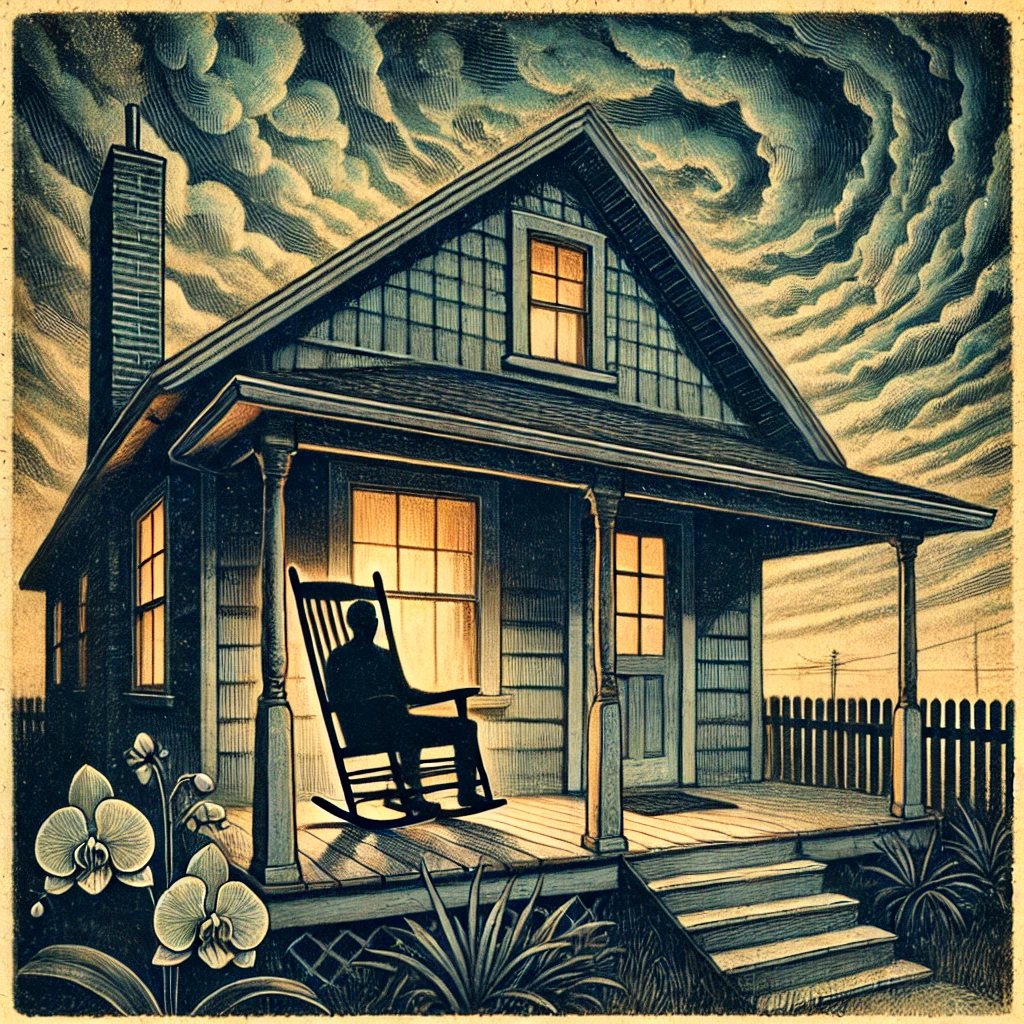
Resentment plays a chaotic melody in Tia’s mind. At 33 years old, the foul tune begins after her lone shift as a bank teller in Gulfport, Mississippi. Over the years, her mother preached the importance of table etiquette to impress a good man, emphasizing how to prepare multiple dishes—whether plucked fresh from the backyard or processed and crammed in cans. Tia bites her bottom lip to shield her emotions: one day, she’ll cook for the right man, ending a miserable drought akin to her repeated failure to attract that high-value gentleman.  Swoosh! Her car nearly skids against the yellow curb. The boring white Honda Electra, purposed to save her cash, sputters along the worn road. She steadies the wheel, her knuckles whitening with the effort. Trees blur past her in brown and green streaks, disappearing into the distance. In Gulfport, the plantations seem to stretch into infinity. The late skies bear heavy clouds, stealing the blue away and leaving behind an ashen gray that suppresses light before it rains. Yet, for now, the rain holds off. The asphalt changes from smooth to grainy as Tia enters her subdivision. The homes are pale, their paint chipped from floods and hurricanes that have battered the area over the last three decades. For most of these houses, no improvements have been made since then. Porch screens remain torn, flapping in the corners. Grass in certain yards rises to knee-length, barely contained by cracked walkways leading to the front doors. Tia often wonders if people still live in them until she sees several grannies and their cats scurrying out to check the mail. She gulps at the sight. These women were once young, filled with fine goals and dreams, finding solace in the belief they’d one day be happily married in a fortress of a palace. Tia climbs a hill in the road. Her car levels out before descending. From the crest, she spots her home—white with blue trim around the windowsills. A shadow moves on her porch. Squinting, she makes out a silhouette—a man. She pulls into the driveway and notices the man sitting on her wooden rocker. He’s a handsome Black man with a dazzling smile, his white teeth beaming even amidst the shadows of the porch. As she steps out of her car, he rises, towering at an astonishing 6’4”, with a groomed, symmetrical beard that complements the thickness of his brows. He stands still, comfortable, as though he’s been sitting there every day, as if that porch were his throne. Tia steps out, her heart hammering, back pressed against the car. Finally, he moves, holding out a single rose wrapped in plastic.  “It’s a pleasure to meet you, finally,” he says, his voice smooth and deliberate, slicing through the mist. Tia hesitates but steps onto the porch, her shoes slipping slightly on the moist boards. “Do I know you?” Up close, the man is even more striking. An elegant fragrance wafts from him—Twilight Woods by Bath & Body Works. She recognizes it because she wears the discontinued matching fragrance. He’s the man of her dreams, yet she knows such perfection can’t be real. “Here… my love.” He hands her the rose. “I’ve seen you on certain days, always alone. Looking lovely, but never with a lucky man by your side.” She blushes, her gaze dropping to the ground. “It’s just me. Been that way for some time now, but I can hold my own.” “My name is Theo Irvin Anderson.” Her eyes sparkle. “I’m Tia.”  “Yes, I asked about you already.” His grin widens. “Funny, isn’t it, how the initials of my name spell yours?”  He lets out a wicked laugh that reverberates from his chest. His persistence sends a shiver down her spine, an eerie feeling creeping in like silence before a battle. “So, Theo,” she asks cautiously, “why are you really here?” “For no reason other than to enjoy your company and get to know you.” The rain begins suddenly, clattering against the pavement like hollow-point bullets. Tia turns, her hand reaching for the door lock. It’s already unlocked—a common occurrence she ought to break, as it happens when her hands are full and she’s distracted on the phone. “It’s pouring,” Tia says. “Where’s your ride?” “I needed some exercise earlier,” he replies. “My hike here helped me catch up on my steps.” As the rain pours harder, unease settles in Tia’s chest. She clutches the rose tighter, willing herself to believe his honesty. Theo pulls a business card from his pocket. “I own a construction company, in case you need renovations. The second number is my personal line. Call me if you’re interested in coffee and bagels at Ronny’s.” “O…kay, thanks. I like bagels.” She smiles, relieved. “I’ll call to check if you made it home safely.” She retreats inside and secures the chain latch to the door behind her, then proceeds to inspect her house insuring her items aren’t tampered with or stolen. She starts with the living room that looks exactly as she left it—tidy but worn. The beige couch sits unblemished, and the glass coffee table is clear except for a small stack of mail. The LED TV remains mounted on the wall, its console beneath still lined with her knick-knacks. In the kitchen, the counters are waxed spotless, the air fryer unused, and the fridge hums quietly with its contents undisturbed. Her bedroom is in order, the bed neatly made with its faded quilt. The vanity is polished, the bottles of perfume and jewelry neatly sorted. The closet reveals her shoes stacked and nightgowns draped on their respective hanger.  Satisfied, Tia peeks through the peephole. Theo is gone. Forty minutes tick by, and she calls his number, salivating for her potential mate. “Hey, this is Tia. Just checking to see if you made it home safely.” Heavy breathing fills the line, mixed with faint wind and movement. “Thanks for checking,” he says, his voice strained. “I’m not home yet.” Her stomach tightens.

Fiction

The Witch on Hickory Road

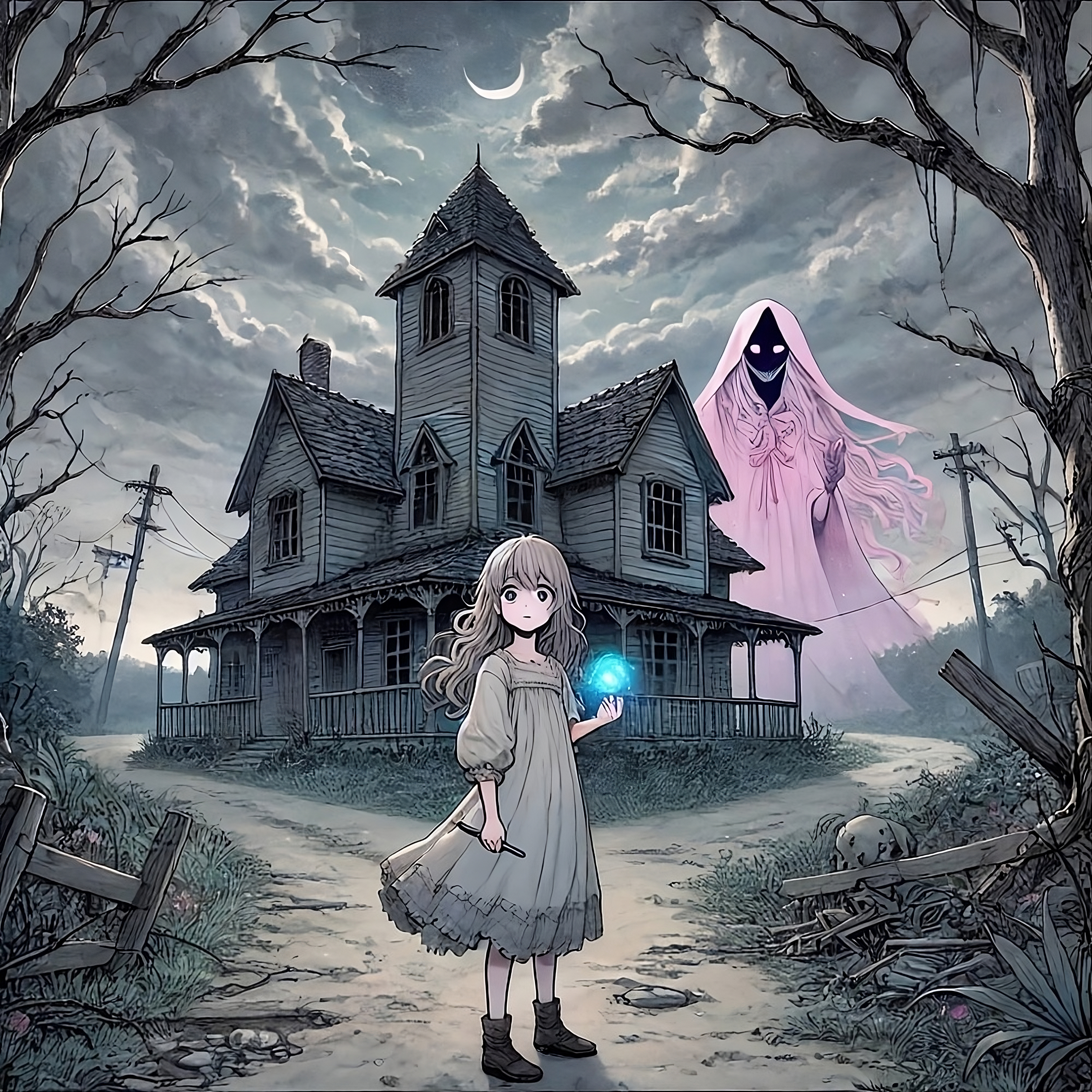
Hickory Road had long been shrouded in mystery, its grim legends driving away visitors since 1959. The road was said to be cursed. Its witches’ darkness, dead or dormant, lingered untouched by time. Locals whispered tales of strange occurrences, of shadows moving where none should be, and of voices calling out from the void on moonless nights. No one dared to investigate further. It was a place where secrets festered, feeding the soil with fear. The Eisenhower family drove into this eerie backdrop in a white van, their laughter and small talk cutting through the gloomy dusk. Jeff, the burly father, steered the vehicle with ease, though his frustration over the broken air conditioner was evident. His muscles, hardened from years as a European bodybuilder, tensed as the oppressive heat bore down on them. Beside him, his model-thin wife, Rachael, handed a pack of  Skittles to their teenage daughter, Jessie. She had auburn hair neatly tied back, and her freckled skin glowing faintly in the dusky light, exuded a quiet, understated beauty. They were new to Hickory, blissfully unaware of its haunted history. Meanwhile, a teenage girl named Marcia sat on her porch. Her chin rested on her hands, watching the Eisenhowers’ arrival. Marcia, with her long dark hair often falling into her eyes, carried an air of restless energy and quiet determination. The late afternoon sun cast long shadows across her face, highlighting her plush brows. Hickory’s witches had left their mark on her family, and she couldn’t shake the unease that came with new neighbors. She decided to greet them, despite the warnings her older sister Emma had drilled into her over the years. “Welcome to the neighborhood. Need a hand?” Marcia asked, her tone cheerful but cautious. Jeff and Rachael had just gone inside the house, their voices faintly audible as they discussed unpacking and the creaky state of the floors. Marcia glanced at Jessie, who was struggling with a small box near the van.  Jessie smiled and handed over a heavy suitcase. “Thanks! I’m Jessie.” “I’m Marcia. So, what brings you here?” “My dad’s new job. The house was a bargain,” Jessie replied, her voice carrying a note of pride. “It’s old but full of character.” Marcia hesitated, torn between spilling Hickory’s secrets and letting them discover the truth themselves. “Just… be careful. This place has a strange history,” she said cryptically before heading home, her steps slower than before. That evening, Marcia confided in Emma, who was reading a weathered book by candlelight. The flickering flame cast ghostly shapes on the walls of their small living room. “Should I warn them about the witches?” Marcia asked, her voice barely above a whisper.” “What if they get cursed by the witch, Pink? They live next door to her,” she added, her voice trembling. Emma set her book down, her face darkening. “She’s probably dead. But if they were cursed, it wouldn’t compare to what she did to me.” “What happened?” A heavy silence filled the room. Emma exhaled in frustration, as though dreading what she was about to say. “It was fifteen years ago, after you were born. I was nineteen and in crisis, suffering a pain like never before.” Marcia frowned. “What kind of pain?” “It wasn’t physical. It was something worse.” Emma’s lip trembled when she held back her tears. “I hated her after what she took from me.” Marcia leaned in, intrigued. “What did she take?” “My husband.” Emma’s voice cracked. She sat up, the memory settling on her like a weight. “She had a crush on him, wanted him for herself. She was beautiful—prettier than anyone in the area.” Marcia’s jaw dropped. “What? I thought she was just some old coon.” Emma’s face lit up . “No, girl. She was gorgeous. Cocoa colored skin, berry-scented hair with her pink lipstick—she knew how to make an impression.” The glimmer in Maria’s eyes suggested she was all in.  “So that’s why they called her Pink.” Emma nodded, a sad smile forming. “She was beautiful and talented—she could paint, sing…” The luster in her cheeks deflated. “She killed my husband after he refused her, and chose me. We had just got married and set off for bed.” “ The next morning, I found my husband debilitated with the word ‘PINK’ carved into his forehead. After that she became goulish, disappearing into her house, never to be seen again.” Marcia’s pitch lowered . “What happened to her? Did she die?” Emma shrugged. “Some say she starved. Others say she hanged herself. Some think she’s still alive in that house.” Emma sighed and closed her book. Her expression was heavy with concern. Her house, a weathered two-story structure with peeling paint and creaky floors, had an air of quiet unease. The dimly lit rooms and faint scent of aged wood gave it a somber character. Shelves of books lined the walls, their spines faded but still readable, while dusty encyclopedias hinted at a history long forgotten. It was a house that seemed to absorb the unease of Hickory Road, holding its secrets close. “Most people won’t believe you, Marcia. But if you do, be prepared for them to think you’re crazy.” The sun set and made way for the dawn of the next day. It was a hot, sluggish afternoon, the kind where the air felt thick and every sound seemed amplified. The girls sat cross-legged in the Eisenhowers’ front yard, sipping lemonade from mismatched glasses. Jessie had been unusually quiet, her gaze fixed on the peeling shutters of the dilapidated house next door. “I swear I saw something,” she said finally, breaking the silence. Marcia glanced up, with a rippled forehead. “What did you see?” Jessie paused, swirling the ice in her glass. “Someone was peeking through the blinds. It was quick, like they were watching us.” Marcia felt a flutter in her chest. She set her glass down on the grass and leaned closer. “Are you sure? That house has been empty for years.”

Fiction

Symmetry

It’s some minutes after work, and I’m driving a black ’72 Mustang that is two-tone and in need of restoration. I watch trees reflect on the windshield as the afternoon turns to evening, then hear bing. It’s a text message from my wife, Stella, who’s all brains and a butcher knife of a blade. Looking down, I become petrified, swallowing air down my parched throat. I hate you! Gliding the steering wheel between my palms, I wonder, what the hell did she see? My phone rings with an intensity that echoes until the voicemail intercepts the noise: “Hello, if you’re hearing this, I’m unable to speak. Leave a name and message, and I’ll contact you soon.” I look down and see a new text bubble brewing. It reads: Pick up the fcking phone! A thought strikes and triggers the logic-thinking mechanism inside my brain center. What if I’m reading it all wrong? How could she possibly know about my secret? Her message reads simple, but somehow complex, as though she wants to say something without saying it to see how I’ll respond. Stella calls again, and at this point, I’m six minutes closer to our subdivision. Traffic lights flash green and remain there longer than usual. My radius clears, but I need to miss the green light and let consecutive red lights slow my arrival. This will give me time to devise an explanation while heading home. However, texting her at least once before turning into our driveway may defuse her suspicion. Hurrying to look down, I type with an erratic heartbeat. On my way, got held up at work. What’s wrong? I scan the road ahead, hear another bing, then another one. Just get here. Better if I show you. Roads are normally packed with masses of vehicles that make driving from point A to point B an overgrown dragon crying in the living hell, but these roads turn into ghost towns when I give two fucks about the destination I’m heading. The signpost ahead reads Welcome to Pine Hill, and it’s centered on a bricked island at the entry of our subdivision. A left turn brings me closer to fate — the truth about Stella’s discovery and the turning point to where our relationship will never be the same. Above the trees I can see the rooftop of our home, two stories high, with a balcony for three. I make another left turn, lift my eyes, and find myself out of the car staring at our brick home. Stella leaves the front door propped open just to irritate me. The glass storm door reveals our living room, well-appointed with a dark wood interior and a hanging chandelier. It also reveals Stella, who’s sitting in an accent chair in the middle of the room. I admit, even mad, she’s still beautiful, her eyes an earth-tone green and her face as tan as cocoa butter. “What took you so long?” barks Stella. She’s like a madwoman who’s set to hang me if she knows my secret. “It was a wild day at work today. So much paperwork with so little time.” She reaches behind her, between her back and the chair, brings out a large Ziploc bag and holds it high. “Take a look at this.” Inside the Ziploc I see purple lipstick, a movie ticket stub, and what appears to be a yellow thong mushed in the corner of the bag. “Explain,” says Stella. There are only two real options here, and two real ways this situation can conclude: tell the truth, then suffer, with Stella and me potentially parting ways forever, or lie to preserve our vows and maintain the secret a little longer. I take the latter and speak with a relaxed brain. “My little sister was looking for that.” “Looking for…?” “The lipstick,” I say. “She must’ve dropped it when she came over the other day.” “What day?” “Yesterday, I believe.” Stella hunches in her chair with her arms crossed. “And you saw a late-night movie?” “No. I dropped my sister there. She’s fifteen, and her sixteen-year-old friend doesn’t drive either. I had to buy the tickets for them since they were underage.” Stella huffs forcefully. “Should’ve told me this last night before I fell asleep.” In the silence, I manufacture a cool guy’s laugh. Humor may change the vibe of this conversation, get her laughing at her own insecurities and soothe her. But there is one last question that I can’t explain, even when using the most extravagant lie available. “Whose thong is this?” asks Stella. “Looks a bit too big for your sister.” “Um…” Dammit, I said um. Let me quickly respond without talking too fast. “I bought those for myself and pictured you wearing them. I have a fetish for, you know…” “Thongs?” asks Stella. That was bad. All the air drains out of the room, like I’ve been placed inside a vacuum without the slightest molecule of condensation. I want to sweat but can’t appear nervous. She grins at me for the first time in a while. “A thong fetish, huh? Guess it makes sense, ’cause I hate wearing them.” She stands with vigor, like a war vet, leading me to believe that the marriage will continue. I relax a bit, as if I have escaped her wrath and can head to the showers, kill the lights, and call it a day. Instead of bypassing me with sights set on the usual routine, she shields me with her back, preventing me from stepping foot in the dining room. Seeing out the peripheral of my eye, I detect enough slack to rush past her, but I don’t think that would be smart. The wood squeaks under my toes when I halt suddenly. “What now?” She wheels around, staring with no commentary, only bitter silence. Finally she growls, “The lipstick wasn’t found just the other day. It was found a month ago, sitting on my nightstand.” “I can — ” “Shut up!” She

Fiction

Played

Right in the middle is where I crouch inside a dim warehouse. It appears I’m positioned on a stage; a tall platform with four walls and pillars supporting the bottom holds me high. We fear this place. When I say we, I speak on behalf of 15 members sitting amongst me, my crew, the ones who come from the corners surrounding the block. All of us share a common identity but look and reflect differently, like colors on a wheel. Almost everyone in Chicago knows our identities and how we travel as a group. During a shoot-out, a member may fall before the other but no matter what, we ultimately remain together. The wind whips at the warehouse’s metal roof. It’s cold today. The cement outside is probably glazed in ice. This warehouse stored sheetrock and stands after being padlocked for decades but has been reduced to a hangout spot for junkies and fugitives who are scarier than prison. In come the brothers, Lewis and Ricky, dressed like some pirates of the streets, wearing red bandannas and washed-out denim as their uniform. The older Lewis walks near the stage first, laughing for some apparent reason. His round face balloons when he speaks. “Ricky, hurry your ass up!” A faint voice echoes back, “Coming.” Behind Lewis enters the insolent Ricky and a cloud of marijuana smoke. Two gold chains hang off his slim neck. The brothers loom closer — Ricky on one side of the stage and Lewis on the other. Sectional lights switch on bright and reveal the platform. There’s a green carpet lining the stage and covering the walls. These four walls surround us, like a box without a lid. This isn’t war. It’s a boycott against the brothers. We refuse to leave them without an understanding as to why they break up our community and instate rules within our territory, such as who goes where, when, and at what time. As the brothers approach, we quiver in place and have recollections of being slammed into the walls. “Here me out, brothers,” I say. “We’re here to make amends with you, not to fight back. Tell us what you want from us, and if it is reasonable, we can work out a deal.” The brothers say nothing. Lewis hauls his belly closer my way and casts a shadow. “You’re dead-set on taking this beating today, for whatever reason.” Ricky stares in my vicinity without blinking, contours his ribs together inhaling smoke, then guffaws and spews vapors everywhere. He reaches for something affixed to his side. It’s his lethal weapon, equipped for massdestruction but used to strike us down. The madness doesn’t stop there. Ricky orders us in rows — five of us in the fifth row, four in the fourth, three in the third, two in the second, and a member in his own row. I yell out to the group, “Stand fast and don’t move! Whatever you do, please don’t fall for their tricks!” I presume it’s best the others remain quiet with their guards up, of course, because I’ll minimize the error of inciting war. Ricky grabs the weakest member of the crew, holds him hostage, letting him face the group. We call him Cue, who, in layman’s terms, keeps a chip on his shoulder. I believe the brothers have a prejudice against him because he’s white, and I’m the Black commander. On the contrary, Cue isn’t tough enough, and from the start, everyone he comes in contact with pushes him around. Cue looks defeated, like all hope’s lost, with an eternal disgust tattooed on his soul. To him, destruction means an escape to a world where the brothers wouldn’t exist; where he’d escape further torment. “Just shoot me now,” says Cue. Lewis peers at us and eyes each member while humming the old gospel song, “This Little Light of Mine.” Somehow, his rendition holds a devilish edge, like he has no godly concerns about the energies the song generates. “Please, Ricky!” I say. “Hear us out! We only want to make peace with you.” But again, there’s no response. Why can’t I get these maniacs’ attention!? It’s the same routine every time we meet. They break us apart first, then drive us into walls. They ask us to put something into their pockets, and whether we do or not, they shoot at us. Ricky uses Cue as the scapegoat…or perhaps the sacrificial lamb that has rotted away. The moment Cue stares into the narrows of Ricky’s pupils, he gets shot. The force pushes Cue back as he rolls into Brother Redd and Yella Sista — the quiet ones, the ones I only hear speak in response to questions. Like identical twins they cling together more often than not, now leaving us, after being shot at, darting back to the corners. The stage transcends a battlefield, sparking a war I’ve seen coming quite too often. How can I allow this to happen? Cue, struggling to hold his ground, meets the blunt force of another shot when Ricky cocks back his weapon, letting it fire. He rolls over to Mr. Greene, our solid, most treasured member, and utters something that’s barely detectable for anyone to hear. “Please, get it over with…I’m tired of your games.” This defiance leads Lewis to join the action. “My turn, bro.” He aims at Cue but hits Blue Collar dead-on. He’s only ten but has earned his stripes from day one. The shot pushes him into the wall before he scales over it, falling off the stage. His body hits the floor below and I hear silence. I can’t shake the impulsive thoughts of wanting the brothers gutted. Lewis stoops, grabs Blue Collar, and carries him back to us. Just look at him. I’m at a loss for words. I remind myself to not retaliate…to not stray from our mission and surrender our territory to the brothers. “Let’s keep the peace!” I shout as the brothers take us down one by one,

Fiction

Train of Thought

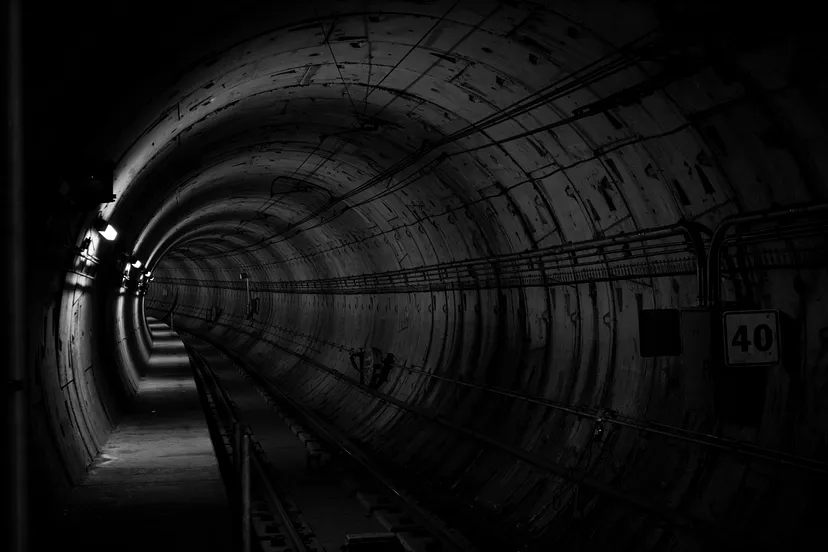
There’s no place like home. These iconic words, for whatever reason, I can’t shake out of my mind. There’s a rumbling sound that’s coming from metal wheels against metal rails and a hissing of brakes that is unsettling my calm. These happenings tonight lead me to one unforeseen conclusion: I’m on a train somewhere, to someplace, in some time. How did I get here? I have no recollection. Is it an end or an invitation to a life filled with uncertainty? Will I see picket fences and green grass where I’m going? The answer may surely come in due time. Where is everybody? There’s not a living soul here but me. Light flickers in the dark train and reveals through wide windows bricks in an underground tunnel. Ahead, darkness swallows the entire tunnel. I believe I know my destination now. I believe the tunnel runs underneath the grounds of The Fields, a petting zoo located in the heart of New York City. Before entering The Fields, the terminal welcomes passengers with its graffiti images; a white rabbit with red eyes is usually plastered on the bricks. But this particular night I see nothing — no graffiti at all, only bricks, mold, and cobwebs. Minutes elapse, and I just realized I’ve been standing. I can’t move! can’t even lift a finger! There’s an invisible force acting on me, keeping me rooted in one spot. The only areas in my fields of view are the rooms ahead and in my peripherals. The train lights zap, blink, then kick on bright. In a well-illuminated train I see doors to each car open, red benches adjacent to the walls, and stanchion poles mounted in the center aisles. “Someone help!” I scream, hoping a body will come to my aid. This train is picking up speed. I can’t fucking breathe. The lights blink frantically as heat radiates from my face and fogs the nearby window. Static crackles in the train’s intercom system; a voice, feminine and unnaturally pitched, pours out of the speaker. GOOD EVENING, PASSENGERS. WE’LL BE DEPARTING THE TUNNEL SHORTLY TO — It cuts off. “To where?” I say. “Where are we going!?” I understand that home isn’t promised. The scent of oak coming from the living room furniture. My wife, Annie, holding me close to her heart. And our little son, Henry, dancing in a circle. By the time I reach my destination, they wouldn’t care to remember. I’ll be renowned as the man who left his home forever. Out the window to my right, the brick tunnel bends skyward. Metal pops as the train throws its weight back and starts climbing an impossible hill that conflicts with modern physics. To put things in perspective, picture a vertical platform used in skating competitions. I ascend this hill at a 90-degree angle, held in place by the force field as I flatten into an astronaut lift-off position. Just then, a sticky substance crusts on my fingers. It mimics dry paint, and without seeing exactly what it is, my eyes tune to the void beyond the tunnel. Choo-choo, choo-choo, choo-choo, choo-choo. All aboard the train that accelerates over 80 miles per hour. Blood pools in the back of my head and induces wooziness. The greater I ascend, the more dazed I become. Starlight beams at the mouth of the tunnel, to where this train is surging with unbelievable velocity. Wheels underneath the cars leave the track and derail. Ahhhhhh!!! Is it over yet? Did I die? The answer is a disappointing no. In mid-flight, I see dark matter and the Earth pulling further away. The train levels on its wheels but, oddly enough, there are no railroads in space. That cracking noise floods through the intercom again. GOOD EVENING, PASSENGERS. WE’RE CURRENTLY EIGHT MINUTES AWAY FROM THE EDGE. PLEASE REMAIN SEATED WHILE TRAVELING. Quite frankly, the only edge I know is the one aligned with the limits of the universe. Or shall I say, the point where my universe ends. The train trembles. Then it warps, leaving behind Mars faster than I can view it, now beyond Jupiter and Pluto, and exiting the Milky Way. Once traveling in minutes per light-year, the train relapses to miles per hour. I’m entering a galaxy without darkness. It’s white. Outlines of stars and planets show in a black trim, like a galactic coloring book. Hovering in the center of the outlines are written words. These words accumulate into substances that fill in the white spaces. Gravity emanates from a pile of words written on this particular planet. The closer I get, the bigger the letters. Nooo, we’re crashing into it! This word called gravity manifests its definition: “A force of attraction that tends to draw particles or bodies together,” and pulls the tail end of the train, breaking loose a car. Metal flies off the next, nearest car, jarring it loose. The train begins to accelerate but struggles to break the pull. Hurry up! Get me outta here! The train thrusts closer to the planet that’s enlarging. Debris in the shape of letters slashes my window, sucking out the red in the bench. As my car drifts into a word nest approaching the planet’s stratosphere, the engine boots again, increasing my force field. In the car I scream with the intensity to puncture lungs, then POOF — the planet vanishes far into the distance. GOOD EVENING, PASSENGERS. UP AHEAD IS OUR DESTINATION — THE EDGE. Beyond the coloring book galaxy where words manifest matter, this train halts at a translucent wall. Deep within me, I understand what’s behind this wall. Those visions of me holding Annie while she rakes her fingers through my hair, and me kissing my son’s forehead after tucking him in bed for the night, will cease to exist behind this wall. My house, my home, my legacy, my future, will never have existed. Now the train starts forward. I gaze at the aisles ahead and see, one by one, cars disappearing in the

Scroll to Top